

Maupertuis Expedition 290 -symposiumi on osa EAKR-rahoitteista hanketta Maupertuis-perintö digitaalisissa ratkaisuilla yritysten kasvun tueksi. Maupertuis-säätiö toteuttaa hankkeen yhdessä Lapin ammattikorkeakoulun kanssa.
Ajankohtaista: Ainesosia historian kuvittelulle – Maupertuis Expedition 290 -symposiumi yhdisti aikoja ja ihmisiä
Maupertuis Expedition 290
Kansainvälinen symposiumi Tornionlaaksossa
4.–6. syyskuuta 2026
Mikä on Maupertuis’n ja hänen retkikuntansa rooli tieteenhistoriassa? Mitä voimme oppia 290 vuoden takaisesta valistuksen ajasta? Miten historia elää paikallisesti ja miten sitä voi pitää elossa? Millaisia kosketuspintoja on 1700-luvun valistusajan tutkimusmatkoilla ja nykypäivän matkailulla?
Näihin ja muihin kysymyksiin etsitään vastauksia Maupertuis Expedition 290 -symposiumissa.
TÄNÄ VUONNA vietetään yhtä tieteenhistorian juhlavuotta. Ranskalaisen astemittausretkikunnan vierailusta Tornionlaaksossa tulee kuluneeksi 290 vuotta. Vuosina 1736–1737 todistettiin ensimmäistä kertaa kokeellisesti, että maapallo on hiukan litistynyt navoiltaan.
Mittaushanketta johti matemaatikko ja tiedemies Pierre Louis Moreau de Maupertuis, jonka identiteettiin ja uraan retki kaukaiseen Pohjolaan vaikutti merkittävästi. Myöhemmin urallaan Maupertuis toimi Berliinissä Preussin kuninkaallisen tiedeakatemian johtajana.
Tutkimusmatka jätti jälkensä myös eurooppalaisten käsitykseen pohjoisesta. Maupertuis’n La Figure de la Terre -teoksen lisäksi pappi Réginald Outhier’n kirjoittama tarkkasilmäinen matkakuvaus Journal d’un voyage au Nord sekä teokseen liitetyt kartat piirsivät kuvaa eksoottisesta Pohjolasta.
SYMPOSIUMI kokoaa eurooppalaisia tieteenhistorioitsijoita ja kirjallisuudentutkijoita Tornioon Suomen lisäksi Ranskasta, Saksasta, Sveitsistä, Ruotsista ja Englannista.
Ohjelma koostuu luennoista, keskusteluista ja retkeilyistä astemittauspisteille aina Pelloon saakka.
Tapahtuma on tarkoitettu asiantuntijoiden lisäksi laajalle yleisölle.
Symposiumin esitykset ja keskustelut järjestetään Torniossa.
Symposiumin pääasiallinen kieli on englanti. Lauantain paneelikeskustelu käydään suomeksi. Tapahtumassa käytetään tekoälyavusteista simultaanitulkkausta, joka mahdollistaa kääntämisen osallistujan toivomalle kielelle.
Ilmoittaudu ennakkoon
Symposiumi on kokonaisuudessaan kolmipäiväinen. Voit osallistua joko koko tapahtumaan tai poimia sinulle sopivat osiot. Tapahtuma on maksuton.
Osallistumismäärä on rajattu. Varmista pääsy tilaisuuteen ilmoittautumalla ennakkoon.
Jos tilaa riittää, luennoille voi osallistua myös ilmoittautumatta. Retkille osallistuminen edellyttää ilmoittautumista.
Voit vielä ilmoittautua symposiumin ensimmäiseen osuuteen Tornioon. Retkille voit kysyä mahdollisia peruutuspaikkoja. Siirry ilmoittautumislomakkeeseen tästä.
Puhujat

Matti Enbuske
Matti Enbuske on keskittynyt tutkimuksessaan arktiseen historiaan. Hän on perehtynyt erityisesti asutus- ja väestöhistorian sekä ympäristöhistoriaan. Enbuske toimii yliopistolehtorina Oulun yliopistossa.
Lue lisää
Nimike:
Yliopistonlehtori, FT, dosentti Koulutusdekaani, humanistinen tiedekunta, historia, Oulun yliopisto
Lyhyt CV:
Matti Enbuske on kotoisin Tornionlaaksosta, Pellosta. Hänellä on pitkä ura historioitsijana ja yliopisto-opettajana Oulun yliopistossa.
Keskeiset tutkimusalat:
Matti Enbusken pääasialliset tutkimusalueet keskittyvät arktisen alueen historiaan, asutus- ja väestöhistoriaan sekä ympäristöhistoriaan. Enbuske on johtanut useita tutkimushankkeita ja julkaissut noin 170 tieteellistä ja populaarikulttuurista artikkelia ja monografiaa.
Hartmut Hecht
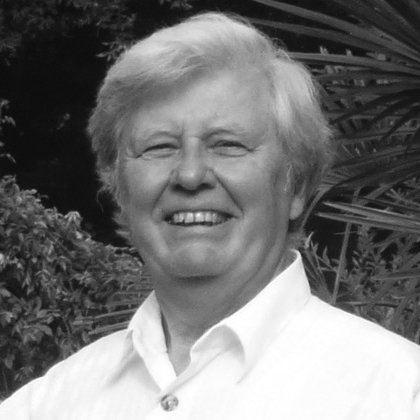
Hartmut Hecht (PD Dr.) on saksalainen Leibniz-asiantuntija ja luonnonfilosofian historian tutkija. Hän tuntee hyvin Maupertuis’n ajan Berliinissä ja Potsdamissa, jolloin Maupertuis toimi Preussin kuninkaallisen akatemian johtajana.
Lue lisää
Nimike:
PD Dr.
Lyhyt CV:
Hartmut Hecht opiskeli fysiikkaa ja filosofiaa Humboldtin yliopistossa Berliinissä. Hän opetti luonnonfilosofiaa ja tieteenteoriaa seuraavissa yliopistoissa: Greifswald, European University Viadrina Frankfurtt (Oder) ja Humboldt. Vuodesta 2001 vuoteen 2013 hän vastasi Leibnizin akatemian sarjan VIII (Naturwissenschaftliche, medizinische und technische Schriften) painoksesta (Berlin-Brandenburg Academy of Science and Humanities).
Keskeiset tutkimusalat:
Hartmut Hecht aloitti akateemisen uransa tutkimalla suhteellisuusteorian filosofista merkitystä. Sen jälkeen hän keskittyi Leibniziin ja hänen vaikutukseensa filosofiaan ja tieteeseen valistuksen aikakaudella, erityisesti Ranskassa. Hänen julkaisuihinsa kuuluvat Leibnizin elämäkerta, jossa painotetaan matematiikkaa ja luonnontieteitä, Leibnizin Monadologian käännös sekä kokoomateoksia Maupertuis’ta, La Mettriestä ja Emilie Du Châtelet’sta. Viime vuonna hän julkaisi kirjan nimeltä Ad fontes. Die Entstehung der Naturwissenschaften im Blick auf Leibniz.
Ian Hembrow
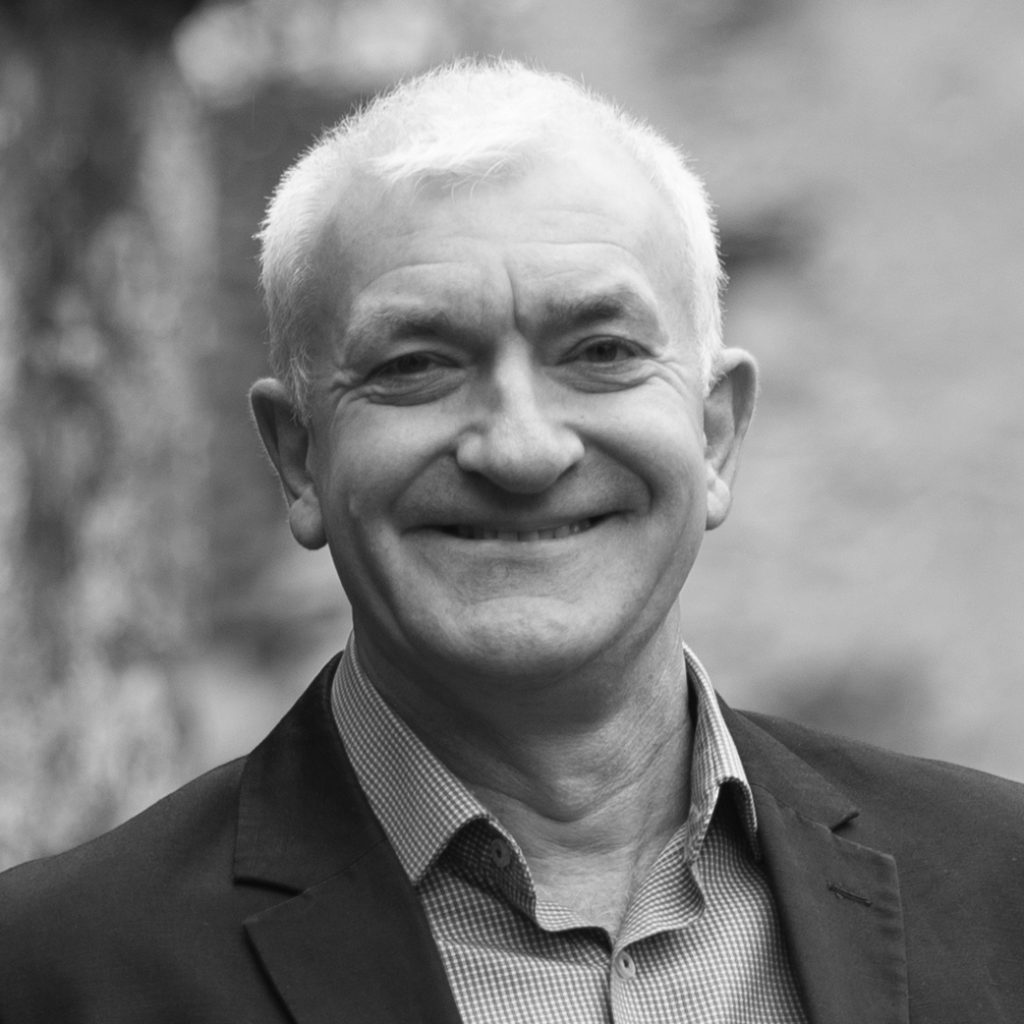
Ian Hembrow on englantilainen freelance-kirjailija. Hän on kirjoittanut elämäkerran ruotsalaisesta tähtitieteilijästä Anders Celsiuksesta, jolla oli tärkeä rooli Maupertuis’n retkikunnassa.
Lue lisää
Nimike:
FCIH
Lyhyt CV:
Ian Hembrow on Bristolissa, Englannissa, asuva freelance-kirjailija ja tutkija. Hän on kunniatutkija Bristolin yliopistossa ja entinen vieraileva tutkija Oxford Centre for Life Writing -keskuksessa Oxfordin yliopistossa. Ian Hembrow työskentelee myös asuntokonsulttina/kouluttajana ja humanistisena hautajaispuhujana.
Hänen kirjansa CELSIUS – A Life And Death By Degrees (The History Press, 2024) on elämäkerta 1700-luvulla eläneestä ruotsalaisesta tähtitieteilijästä Anders Celsiuksesta. Celsiuksella oli tärkeä rooli vuosina 1736–1737 Maan muotoa selvittäneessä Maupertuis’n retkikunnassa.
Keskeiset tutkimusalat:
Elämäkertakirjoittaminen, lääketurvallisuus, ilmastonmuutos, vapaaehtoinen ja avustettu kuolema, kohtuuhintainen asuminen
Linkit:
https://www.linkedin.com/in/ian-hembrow-communicate
https://humanist.org.uk/ianhembrow
https://creative-bridge.com/team
https://link.springer.com/book/10.1007/978-3-031-14981-8
https://view.publitas.com/uppsala-monitoring-centre/making-medicines-safer/page/1
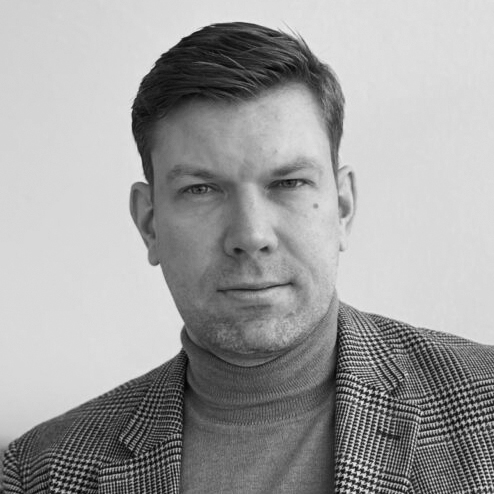
Jussi Lindgren
Jussi Lindgren työskentelee Suomen valtiovarainministerin talouspoliittisena erityisavustajana. Hän tuntee pienimmän vaikutuksen periaatteen, jonka Maupertuis kehitti myöhemmällä urallaan Lapin-matkansa jälkeen.
Lue lisää
Nimike:
Tekniikan tohtori ja kansantaloustieteilijä
Lyhyt CV:
Jussi Lindgren työskentelee nykyisin valtiovarainministerin talouspoliittisena erityisavustajana. Hän on työskennellyt muun muassa valtiovarainministeriössä, Euroopan komissiossa ja valtioneuvoston kansliassa.
Linkit:
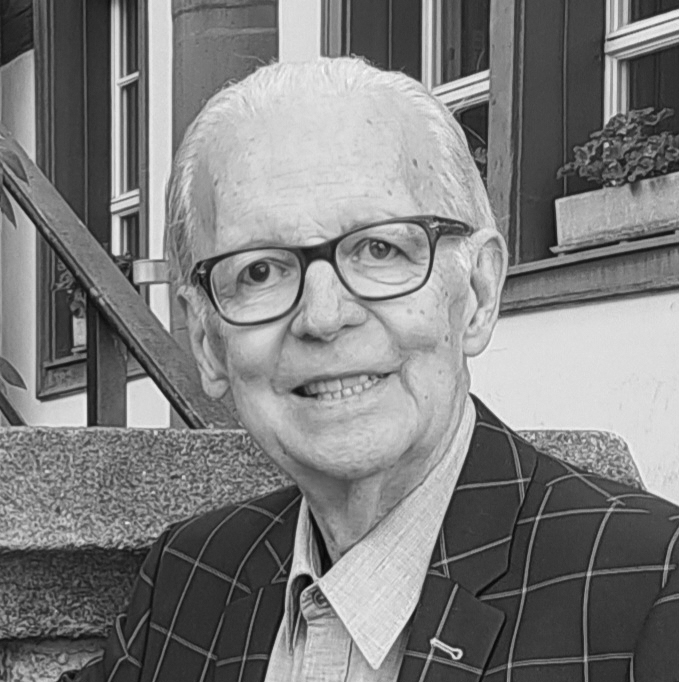
Fritz Nagel
Sveitsin Baselissa asuva Fritz Nagel (FT) on tieteellisten verkostojen asiantuntija. Hän on toimittanut suuren osan sveitsiläisten matemaatikkojen, Bernoullien, kirjeenvaihdosta. Bernoullit olivat Maupertuis’n mentoreita ja ystäviä.
Lue lisää
Nimike:
FT
Lyhyt CV:
Matematiikan, fysiikan, filosofian ja tieteenhistorian opiskelu Heidelbergin ja Baselin yliopistoissa.
Suorittanut luonnontieteiden tohtorin tutkinnon (s.c.l.) Baselissa (Philosophisch-naturwissenschaftliche Fakultät der Universität Basel). Väitöskirjan aiheena Nicolaus Cusanuksen matematiikan vastaanotto.
Opetti matematiikkaa, fysiikkaa ja filosofiaa Basel-Stadtin kantonin lukiossa.
Vuosina 1988–2008 tutkimuskeskuksen johtajana (Basel Research Centre of the Bernoulli Edition).
Vastasi matemaatikkojen Bernoullin kirjeenvaihdon editoinnista.
Bernoullin kirjeenvaihdon sähköisen Baselin luettelon luominen.
Bernoullin kirjeenvaihdon Baselin verkkojulkaisun perustajajäsen ja toimittaja.
Vuodesta 2010 lähtien Baselin yliopiston Bernoulli-Euler-keskuksen hallituksen jäsen.
Keskeiset tutkimusalat:
Matematiikka, fysiikka ja filosofia 1300–1400-lukujen vaihteessa (Nicolaus Cusanus) sekä 1600–1700-lukujen vaihteessa (Bernoullin piiri, Jacob Hermann, Leibniz). Tieteellisten ideoiden historia. Bernoullin kirjeenvaihtoverkosto. Toimitukselliset ongelmat.
Linkit:
CV ja julkaisulista: https://bez.unibas.ch/fileadmin/user_upload/bez/Nagel-2023.pdf
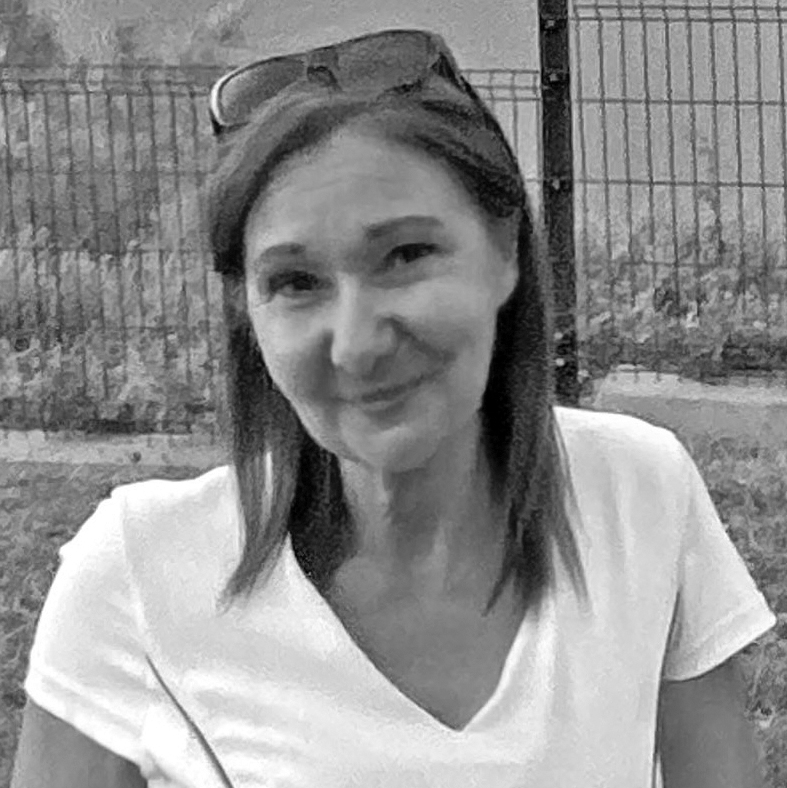
Sylvie Requemora
Ranskalainen Sylvie Requemora (FT) on erikoistunut 1600-luvun matkakirjallisuuteen. Hän on tutkinut erityisesti ranskalaista seikkailijaa Jean-François Regnardia (1655–1709), jonka matkakertomuksen Maupertuis ja hänen seuralaisensa todennäköisesti lukivat ennen omaa matkaansa pohjoiseen.
Lue lisää
Nimike:
FT, 1600-luvun ranskalaisen kirjallisuuden professori, Aix-Marseille University (AmU), Institut Universitaire de France (IUF), Association franco-suédoise pour la Recherche (AFSR).
Lyhyt CV:
Sylvie Requemora on 1600-luvun ranskalaisen kirjallisuuden professori Aix-Marseillen yliopistossa. Hän on myös matkakirjallisuuden tutkimuskeskuksen johtaja ja vuonna 2024 Institut Universitaire de Francen apurahan saaja TRAVEL-projektistaan (Terre en Récits, Arts de Voyager & EcoLittingtérature, Research Association ja EcoLittingtérature).
Hän on kirjoittanut kirjanVoguer vers la Modernité. Le voyage à travers les genres au XVIIe siècle (PUPS, 2012), Jean-François Regnardin Voyages-teoksen kriittisen painoksen (Classiques Garnier, 2020) ja lukuisia matkailukirjallisuutta käsitteleviä artikkeleita.
Requemora on järjestänyt muun muassa kansainvälisen konferenssin ”Traveling from Elsewhere (17th–21st Centuries)”. Syyskuussa 2026 hän järjestää kansainvälisen Borders and Crossings -konferenssin ”Cross-cultural Francophone and Anglophone Epistemological Perspectives on Travel Research”. Parhaillaan Requemora koordinoi eurooppalaista apurahahakemusta luonnon representaatioista varhaismoderneissa matkakirjoituksissa.
Keskeiset tutkimusalat:
Matkakirjallisuus, ekopoetiikka.
Linkit:
LinkedIn: https://www.linkedin.com/in/sylvie-requemora-25b279233
Center for Research on Travel Literature: www.crlv.org
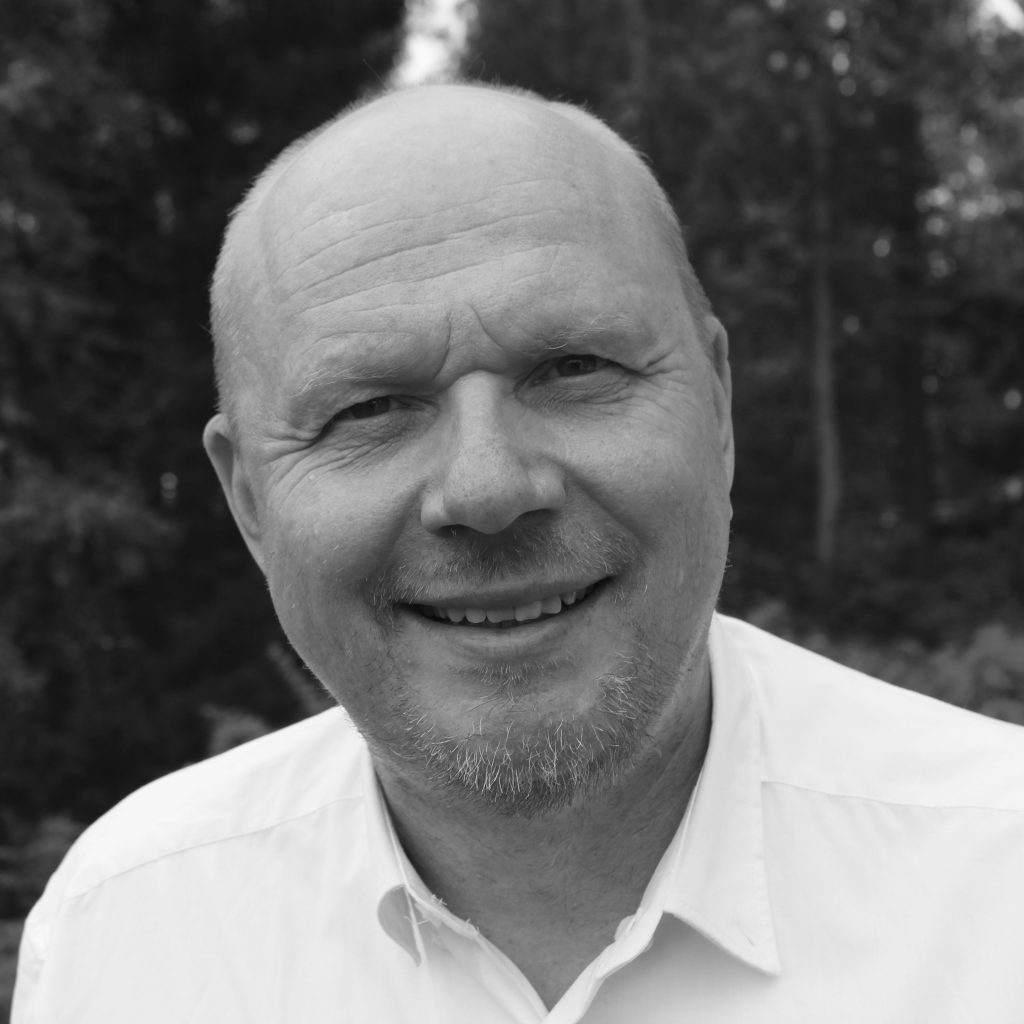
Jarkko Saarinen
Jarkko Saarinen (FT) on erikoistunut tutkimuksessaan matkailumaantieteeseen ja kestävään matkailuun. Hän on tutkinut paikallisyhteisöjen ja -kulttuurien roolia matkailussa sekä matkailun sosiokulttuurisia vaikutuksia. Saarinen toimii ihmismaantieteen professorina ja resilienssi-tutkimusohjelman johtajana Oulun yliopistossa.
Lue lisää
Nimike:
FT, professori
Linkit:
Jarkko Saarinen, Oulun yliopisto: https://www.oulu.fi/fi/tutkijat/jarkko-saarinen
FRONT-tutkimusohjelma: https://www.oulu.fi/en/research/arctic-interactions-resilience-and-global-change/frontiers-arctic-and-global-resilience-front
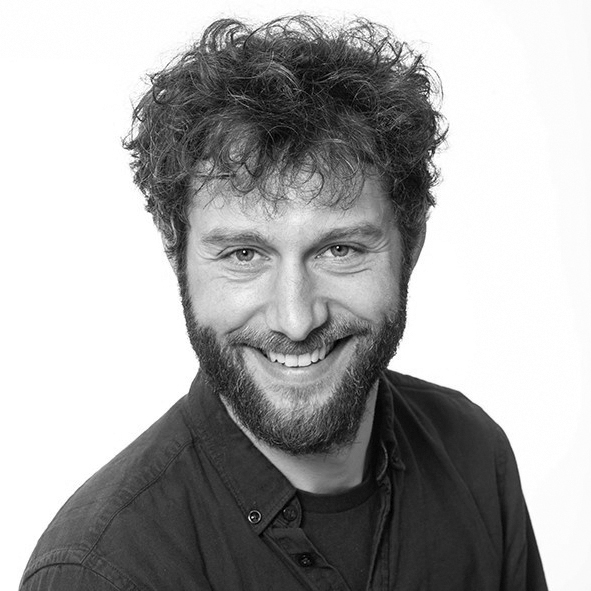
Daniel Schlesinger
Daniel Schlesinger on ilmanlaatuasiantuntija Tukholman ympäristö- ja terveysvirastossa. Pellolaisten perhesuhteidensa ansiosta Daniel tutustui paikalliseen tieteen historiaan ensimmäisen kerran noin kahdeksan vuotta sitten. Siitä lähtien häntä on kiehtonut ranskalaisten astemittausmatka Lappiin.
Lue lisää
Nimike:
Fysiikan tohtori
Lyhyt CV:
Daniel Schlesinger on ilmanlaatuasiantuntija Tukholman kaupungin ympäristö- ja terveysvirastossa. Hän opiskeli fysiikkaa Ludwig-Maximilianin yliopistossa (LMU) Münchenissä, suoritti fysiikan tohtorin tutkinnon Tukholman yliopistossa (SU) ja on työskennellyt ilmakehätieteen tutkijana SU:ssa.
Keskeiset tutkimusalat:
Danielin Maupertuis’n retkikuntaa koskeva tutkimus keskittyy retkikunnan kolmiomittauksen perusviivan mittauspisteiden maantieteellisten sijaintien tunnistamiseen.
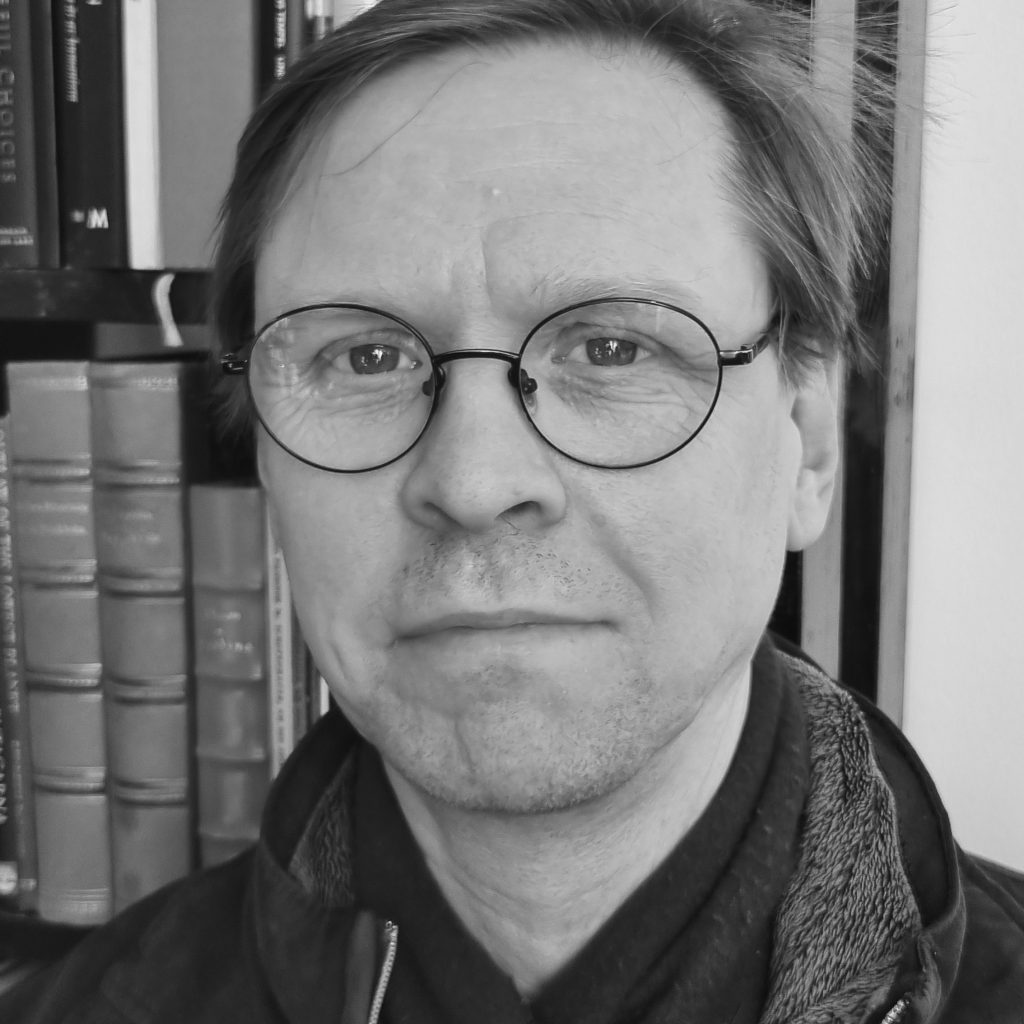
Johan Stén
Johan Stén (FT, tekn. tri) on suomalainen tieteenhistorioitsija, joka on perehtynyt valistusajan luonnontieteen historiaan sekä Pohjoismaissa että muualla Euroopassa. Hän on myös eläytynyt historiaan esittämällä Anders Celsiusta argentiinalais-suomalaisessa lyhytelokuvassa La Figure de la Terre (2015), joka kertoo Maupertuis’n astemittauksesta. Johan Stén toimii symposiumin juontajana.
Lue lisää
Nimike:
Filosofian tohtori, tekniikan tohtori
Lyhyt CV:
Johan Stén on suomalainen tieteenhistorioitsija (tekniikan tohtori, sähködynamiikka, 1995; matematiikan tohtori, 2015). Hän opettaa tieteenhistoriaa ja matematiikan historiaa Helsingin yliopistossa.
Anouchka Vasak
Anoucka Vasak (FT) on ranskalainen tieteenhistorian ja kirjallisuuden tutkija, joka on erikoistunut ilmastohistoriaan ja 1700-luvun ranskalaiseen kirjallisuuteen. Hän on kirjoittanut yhdessä edesmenneen suomalaisen Maupertuis-tuntija Osmo Pekosen kanssa teoksen Maupertuis’n Lapin matkasta.
Lue lisää
Nimike:
Filosofian tohtori (kirjallisuustiede, tekstin ja kuvan historia ja semiologia
Lyhyt CV:
Anouchka Vasak on ranskan kirjallisuuden luennoitsija Poitiersin yliopistossa Ranskassa, erikoisalanaan 1700-luku (2001–2011). Hän on pätevöitynyt modernin kirjallisuuden opettaja ja alumni (École Normale Supérieure de Fontenay-aux-Roses).
Anoucha Vasak on ”Météos”-kokoelman (Hermann Publishing, Pariisi) toinen johtaja ja yksi École Normale Supérieuressa Pariisissa järjestettävän ”ilmaston havaitsemista” käsittelevän verkoston ja seminaarin johtajista.
Keskeiset tutkimusalat:
Meteorologia, tieteen historia, ilmastohistoria, ilmaston havainnointi, 1700-luvun kirjallisuus.
Linkit:
https://ceres.ens.fr/?Seminaire-Perception-du-Climat-2025-2026
Ohjelma
Ohjelma on päivitetty 3.8. Muutokset ovat mahdollisia.
Perjantai 4. syyskuuta
Paikka: Grand Hotel Mustaparta, Tornio
Päivän teema: Matka tieteen historiaan
9.00
Ovet aukeavat.
9.30–12.30
9.45 | Johan Stén: Maupertuis Tornionlaaksossa – Ranskan kuninkaallisen tiedeakatemian retkikunta todisti Newtonin painovoimalain todeksi
10.15 | Fritz Nagel: Maupertuis ja sveitsiläiset matemaatikot, Bernoullit – Tieteellistä yhteistyötä ja ristiriitoja
10. 55 | Kahvitauko
11.15 | Hartmut Hecht: Maupertuis Berliinissä – Ensimmäisestä yhteydenotosta kiistaan pienimmän vaikutuksen periaatteesta
11.55 | Ian Hembrow: Ruotsalainen ranskalaisten joukossa – Anders Celsiuksen merkitys vuosien 1736–1737 retkikunnalle
12.35–14.00
Lounastauko
14.00–15.30
14.00 | Jussi Lindgren: Maupertuis’n pienimmän vaikutuksen periaate ja sen merkitys luonnonfilosofiassa
14.30 | Johan Stén: Anders Hellant ja ranskalaisen retkikunnan perintö Torniossa
15.00 | Daniel Schlesinger: Ranskalaisen tutkimusretkikunnan perusviivan jäljillä – henkilökohtainen lähestymistapa Tornionlaaksoon
15.30–18.00
Kaupunkikävely Torniossa
Omatoiminen kävelykierros 1730-luvun Tornioon ja Maupertuis’n retkikunnan jäljille
Ei pyöreä eikä litteä -näyttely Tornionlaakson museossa
17.30
Pienoiskonsertti Tornion kirkossa
Esa Rautiainen, Elina Söderström ja Jakke Salomaa esittävät musiikkikertomuksen Maupertuis’n matkasta
Lauantai 5. syyskuuta
Paikka: Grand Hotel Mustaparta, Tornio ja Ylitornio
Päivän teema: Pohjoinen seikkailu
9.00
Ovet aukeavat.
9.30–13.00
9.30 | Matti Enbuske: Käymäjärven kivi – Matkailijat Maupertuis ja Celsius myytin perässä
10.10 | Sylvie Requemora: Jukkasjärven puuplakaatit – Ranskalaisten matkustajien merkkejä pohjoisessa
10.50 | Kahvitauko
11.10 | Anouchka Vasak: Astemittaus seikkailukertomuksena – Maupertuis’n La Figure de la Terre
11.55 | Paneelikeskustelu: Miten ranskalaisen retkikunnan tarina elää Tornionlaaksossa? Kulttuurimatkailun paikalliset mahdollisuudet. Moderaattori Jarkko Saarinen
Panelistit
- Juha-Pekka Koskinen, Tornio Golf oy:n toimitusjohtaja, Visit TornioHaparanda ry:n hallituksen puheenjohtaja
- Ulla Mikkanen, Maanmittauslaitos, maailmanperintökoordinaattori, Struven kolmiomittausketju, Suomen maailmanperintökohteiden yhdistys ry:n puheenjohtaja
- Iida Pyykkö, Projektitutkija CROCUS-hankkeessa, Oulun yliopisto (EU-hanke Cross-Border Cultural and Creative Tourism in Rural and Remote Areas)
- Titta Kallio-Seppä, Tornionlaakson museon johtaja
13.10–14.30
Lounastauko
14.30
Kuljetus lähtee Torniosta Ylitornion Aavasaksalle.
15.30
Kävelyretki Huitaperille.
17.00 tai 18.00
Kävelyretki Aavasaksalla.
Sunnuntai 6. syyskuuta
Paikka: Pello ja Övertorneå
8.30
Lähtö Ylitorniolta Pelloon.
10.00
Kävelyretki Niemivaaralla, jonka jälkeen matka jatkuu Pellon Vihreälle Pysäkille, jossa syödään lounas.
14.00
Kävelyretki Kittisvaaralla, jonka jälkeen kahvit Kattilakoskella.
16.30
Vierailu Matarengin eli Övertorneån kirkossa.
18.30
Paluu Tornioon klo 18.30 mennessä.
Aikataulusyistä Matarengin kirkkoon suunniteltu pienoiskonsertti on poistettu ohjelmasta.
Bussimatka mittauspisteille
Alle on koostettu oleellisimmat tiedot bussimatkalle lähtijöille.
Säätiedotus näyttää tällä hetkellä hiukan epävakaalta. Emme kuitenkaan anna mahdollisen sateen häiritä!
Huolehdithan itse mukaan vesipullon sekä tarvittaessa välipalaa. Kävelysauvoja on varattu mukaan muutamat kappaleet.
Lauantai 5. syyskuuta
Lähtö Boutique Hotel Mustaparran edestä, Hallituskatu 6, klo 14.30
Tulkaa paikalle hyvissä ajoin. Linja-auto on paikalla noin klo 14 lähtien.
Bussi lähtee klo 14.30.
Ennakkoon varattu illallinen Kaamos Lodgessa
Suoraan Aavasaksalle saapuville illallinen tarjoillaan klo 19.
Huitaperillä kävijöille illallinen tarjoillaan klo 20.
Illallinen on tarjolla niille, jotka ovat varanneet sen ennakkoon. Illallinen maksetaan normaalisti ravintolaan.
Muuta
Jos majoitut Matarengissä, sovi kyydistä menomatkan aikana Miilan kanssa.
Samoin sovi ennakolta, jos tarvitset apua Aava Sky Villagen majapaikan ja Kaamos Lodgen ravintolan välillä kulkemiseen. Matkaa on noin kilometri.
Sunnuntai 6. päivä
Lähtö Aava Sky Villagesta klo 8.20, Kaamos Lodgesta klo 8.30
Huom. lähtöaikaa on aikaistettu puolella tunnilla suunnitellusta.
Bussi ajaa tarvittaessa Matarengin keskustan kautta.
Paluu Tornioon klo 18.30
Bussi jatkaa välittömästi Kemin rautatieasemalle ja tarvittaessa Kemi-Tornion lentokentälle.
Niemivaaran korvaava ohjelma
Niemivaaran reitillä on muutama jyrkkä nousu ja polku kulkee vinossa maastossa. Jos et halua kulkea reittiä, voit ihailla kaunista Niemivaaran maisemaa vastarannalta Ajanginkartanosta. Siellä voit ulkoilla piha-alueella ja nauttia kahvit vanhassa 1900-luvun alun pirtissä.
Ilmoittautuminen
Voit vielä ilmoittautua symposiumin ensimmäiseen osuuteen Tornioon. Retkille voit kysyä mahdollisia peruutuspaikkoja. Siirry ilmoittautumislomakkeeseen tästä.
Symposiumi ja siihen liittyvä bussimatka Torniosta Ylitorniolle ja Pelloon ovat ilmoittautuneille maksuttomia. Majoitus ja ruokailu ovat omakustanteisia.
Osallistujat varaavat itse majoituksen sekä Torniossa että Ylitorniolla.
Torniossa Mustaparta-hotellista saa majoituksesta alennusta, kun mainitsee osallistuvansa Maupertuis-symposiumiin.
Ylitorniolla suosittelemme majoittumista Aavasaksalla tai lähettyvillä Matarengissä. Aavasaksalla Maupertuis-koodilla saa alennusta Kaamos Lodgesta sekä Aava Sky Villagesta.
Lisätietoa alennushinnoista ja varauskoodin käytöstä
TORNIO
Jos teet varauksen verkkosivuilla, kirjoita lisätietokenttään Maupertuis. Maksu paikan päällä.
Mustaparta Boutique Hotel
- Standard 1 hlö: 119 €
- Standard 2löä: 132 €
- Sviitti 1 hlö: 145 €
- Sviitti 2 hlöä: 175 €
Mustaparta Grand Hotel
- 1 hlö: 129 €
- 2 hlöä: 139 €
AAVASAKSA, YLITORNIO
Alennuskoodia Maupertuis käyttämällä saa 10 %:n alennuksen normaalihintaisesta Forest View -kammista (199 e) sekä aamiaisen, joka ei kuulu tavanomaisesti huoneen hintaan. Koodi on voimassa 5.8. asti. Kirjoita varatessasi Maupertuis alennuskoodi-kohtaan.
- Gámme Forest View: 179 €
10 %:n alennus alla olevista hinnoista, kun varatessa mainitsee Maupertuis-koodin. Varauksen voi tehdä koodin kanssa vain puhelimitse.
- Mökki 4 hlöä: 120 € (Yksi parivuode ja kaksi erillistä vuodetta, joista toinen pienellä parvella. Keittiö, suihku, wc ja sauna. Ei erillisiä makuuhuoneita.)
- Mökki 2 hlöä: 90 € (Kaksi erillistä vuodetta. Keittiö, suihku ja wc.)
- Mökki 2 hlöä: 90 € (Parisänky. Mökissä keittiö, suihku ja wc.)
- Mökki 6hlöä: 150 € (Alakerrassa makuuhuone parisängyllä ja yläkerrassa neljä erillistä vuodetta. Keittiö, suihku, wc ja sauna.)
- Mökki 7+1 hlöä: 180 € (Alakerrassa makuuhuone parisängyllä. Yläkerrassa makuuhuone kahdella erillisellä vuoteella ja aula-alue kolmella erillisellä vuoteella. Suuri oleskelutila, keittiö, sauna ja suihku sekä kaksi erillistä wc:tä.)
Yhteystiedot
Jos sinulla on kysyttävää, ota ystävällisesti yhteyttä joko alla olevalla lomakkeella tai suoraan sähköpostilla tai puhelimitse.
Täytä lomake
Lähetä sähköpostia tai soita
Miila Kankaanranta
Viestintäsuunnittelija
+358 50 432 5148
miila.kankaanranta@maupertuis.fi
Veli-Markku Korteniemi
Maupertuis-säätiön hallituksen puheenjohtaja
v-m.korteniemi@maupertuis.fi